 Sunsir - Global OEM/ODM Kitchen Appliance Solutions
SEARCH
Search Store
Site Search
Blogs
For OEM and ODM buyers, selecting the right food dehydrator is not just about appearance or unit price. A reliable dehydrator machine must deliver stable performance, flexible customization, and long-term supply consistency.
In this guide, we explain how to evaluate a dehydrator food dehydrator from a manufacturer’s perspective, helping you identify the best dehydrator for your target market while reducing sourcing risks.
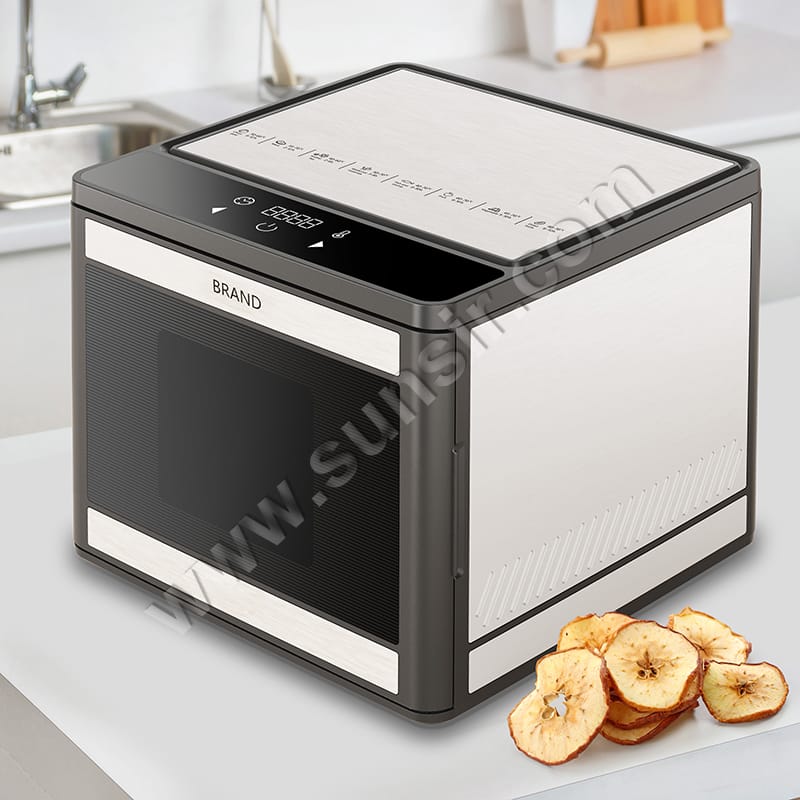

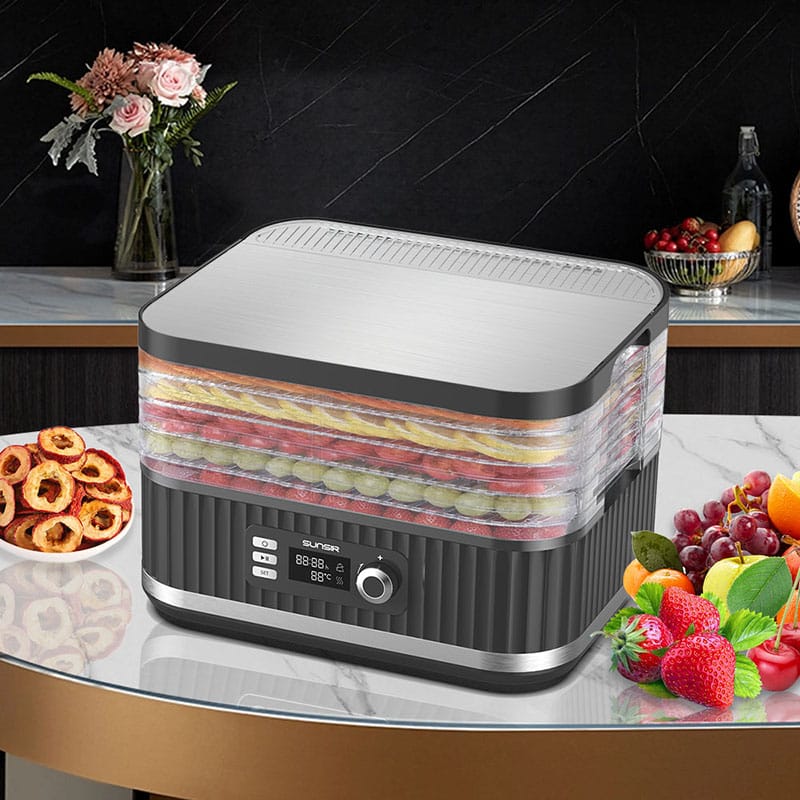
Before confirming specifications, OEM/ODM buyers should clearly define market positioning.
Typical application segments include:
Different markets require different configurations.
For example, industrial buyers focus on continuous operation and output capacity, while retail brands prioritize design, noise control, and energy efficiency.
Therefore, defining the end-user scenario early helps you avoid over-engineering or under-specifying your food dehydrator.
When evaluating a dehydrator machine, the following technical points are critical:
Tip: Request test reports, running videos, and temperature distribution data to evaluate real performance.
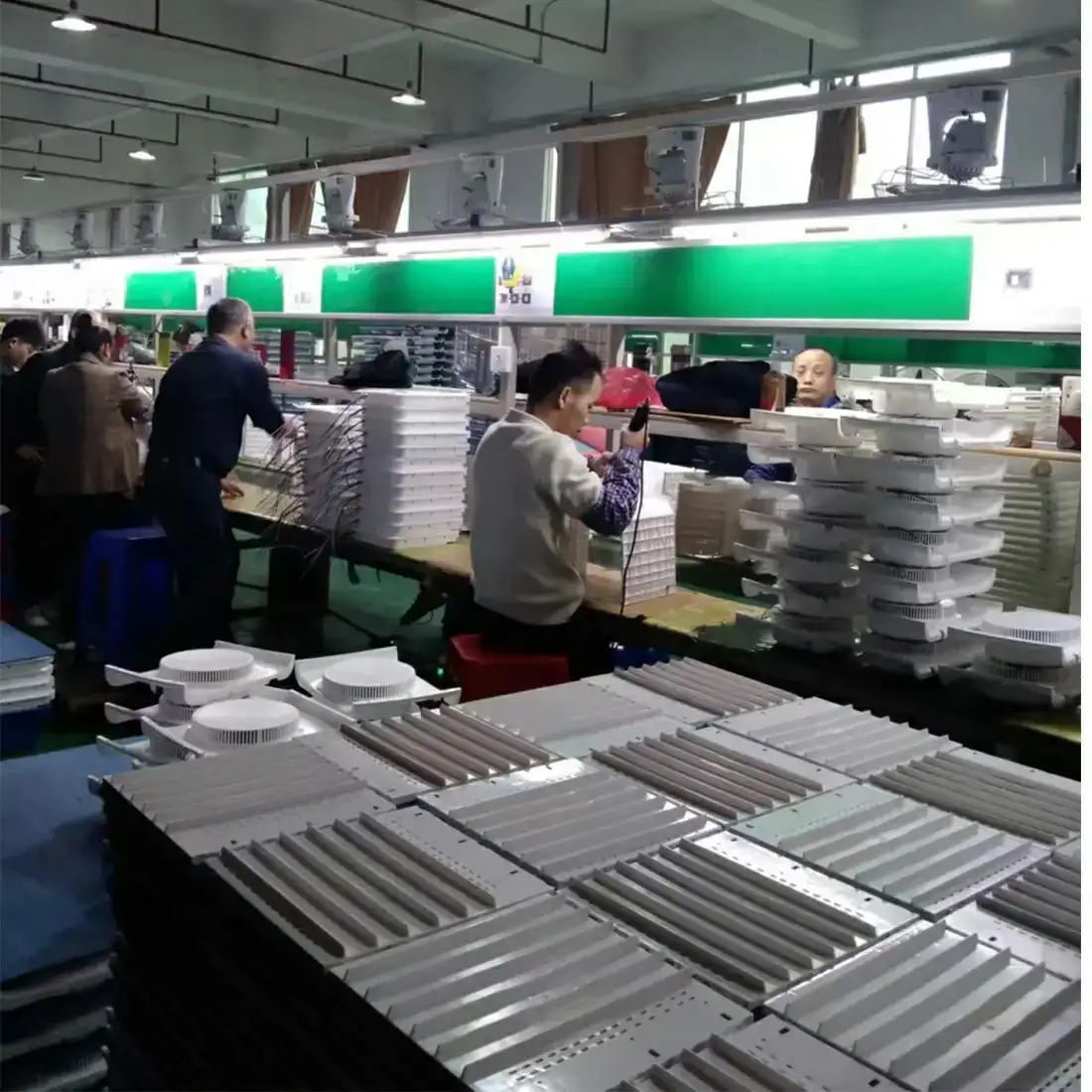
A competitive dehydrator food dehydrator supplier should support full OEM and ODM cooperation.
Key evaluation points include:
As a result, OEM buyers should confirm that quality KPIs and defect rates are clearly defined in supply agreements.
Price alone should never be the only decision factor.
A professional cost evaluation includes:
Other key considerations:
While a low unit price may look attractive, the true cost of ownership includes returns, warranty claims, and brand reputation risk.
Choosing the product means balancing price, performance, and supplier reliability.
Before finalizing your food dehydrator supplier, confirm the following:
Next steps:
Request a detailed sample specification sheet, conduct a factory audit (online or onsite), and negotiate a framework agreement with tiered pricing.
This approach ensures stable supply, predictable cost, and a competitive best dehydrator solution for your brand.

Imagine opening your pantry or fridge a week after shopping to find your cheese still fresh, your leftovers tasting like new, and your bulk-purchased meat perfectly preserved. This isn’t a dream; it’s the everyday reality you can create with a po...
View details
Are you tired of the tedious, often risky task of hand-grating cheese, chocolate, or nuts? Welcome to the future of food preparation. The electric cheese grater is no longer a luxury; it’s a necessity for anyone who values time, consistency, and ...
View details
If you're sourcing for a trusted Dehydrator Manufacturer to supply private-label small food dehydrators, or custom ODM designs, this guide explains why Chinese factories remain the top choice for competitive pricing, reliable manufacturing, and ex...
View details
Most home cooks eventually hit a wall where refrigeration and freezing simply aren't enough to manage a seasonal harvest or bulk grocery haul. You might have found yourself throwing away half a bag of wilted kale or staring at bruised apples with...
View details