 Sunsir - Wereldwijde OEM/ODM-oplossingen voor keukenapparatuur
ZOEKEN
Winkel doorzoeken
Zoeken op de site
— Wijn | Whisky | Cognac | Bier —
— Wijn | Whisky | Cognac | Bier —
Blogs
De meeste thuiskoks lopen uiteindelijk tegen een muur waar koelen en invriezen gewoon niet genoeg zijn om een seizoensoogst of een grote voorraad boodschappen te verwerken. Misschien heb je al eens een halve zak verlepte boerenkool weggegooid of met spijt naar gekneusde appels zitten staren. Dit is precies waar een hoogwaardige dehydrator voedsel dehydrator transformeert de workflow in je keuken. In tegenstelling tot een oven, die het voedsel vaak kookt, verwijdert een speciale dehydrator vocht bij lage temperaturen, waardoor smaken effectief worden geconcentreerd en de houdbaarheid maandenlang wordt verlengd. zelfs voor gedehydrateerd hondenvoer.
Investeren in een voedsel dehydrator gaat niet alleen over het maken van snacks; het gaat over het terugwinnen van de controle over je voedselvoorraad. Bovendien elimineer je de verborgen suikers en chemische sulfieten die je vindt in commerciële “gezonde” snacks. Als je een professioneel apparaat gebruikt, zorg je ervoor dat elke hap net zo voedzaam is als op de dag dat hij werd geplukt.
De wetenschap achter de dehydrator voedsel dehydrator is bedrieglijk eenvoudig, maar moeilijk na te maken in een standaard oven. Deze machines maken gebruik van een verwarmingselement en een gekalibreerde ventilator om lucht over meerdere lagen voedsel te laten circuleren. Deze constante beweging is van vitaal belang. Anders blijft er vocht in de lucht hangen, wat resulteert in “zweterig” voedsel dat binnen enkele dagen bederft.
Bovendien zijn de beste voedsel dehydrator De modellen bieden een breed temperatuurbereik. Terwijl fruit goed gedijt bij 135°F, hebben delicate kruiden een veel lagere temperatuur nodig om hun essentiële oliën te behouden. Omgekeerd is het voor het maken van jerky nodig om snel hogere temperaturen te bereiken om de voedselveiligheid te garanderen. Vanwege deze precisie is een speciale machine veel beter dan een “dehydratatiestand” op een moderne airfryer.

Bij het zoeken naar je volgende voedsel dehydrator, De belangrijkste beslissing heeft te maken met de richting van de luchtbeweging. Deze ene factor bepaalt hoe gelijkmatig je voedsel droogt en of smaken zich verplaatsen tussen de bakjes.
Horizontale luchtstroom (achteraan gemonteerde ventilatoren): Vaak te vinden in de beste voedsel dehydrator Voor de liefhebbers werken deze apparaten als een convectieoven. De ventilator bevindt zich aan de achterkant en blaast lucht over elke bak afzonderlijk. Daardoor kun je knoflook drogen op de ene bakplaat en aardbeien op de andere zonder dat het fruit naar uien smaakt. Bovendien zijn deze modellen onmisbaar als je van plan bent om dik gesneden vlees te bereiden.
Verticale luchtstroom (ventilatoren onder of boven): Dit zijn meestal ronde, stapelbare eenheden. Hoewel ze minder ruimte innemen op het aanrecht, moet de lucht door de onderste bakken om boven te komen. Daarom kan het nodig zijn om de bakjes om de paar uur te draaien voor een gelijkmatige afwerking. Deze zijn met name uitstekend voor beginners die zich richten op eenvoudige items zoals bananenchips of gedroogde bloemen.
Een van de meest rendabele toepassingen voor een dehydrator voedsel dehydrator vandaag is het creëren van gedehydrateerd hondenvoer en traktaties. Huisdiereigenaren zijn steeds meer huiverig voor de “vulstoffen” in commerciële brokken. Door je eigen machine te gebruiken, kun je magere kipfilet, zoete aardappelen of lever omtoveren tot hoogwaardige traktaties.
Specifiek, gedehydrateerd hondenvoer behoudt meer enzymen en voedingsstoffen dan bruine pellets die op hoge temperatuur zijn verwerkt. Bovendien kun je jaarlijks honderden euro's besparen als je ze thuis maakt. Een pond biologische zoete aardappelchips voor honden kan bijvoorbeeld meer dan $20 kosten in een dierenwinkel, maar je kunt ze produceren voor minder dan $2 door je eigen chips te gebruiken. voedsel dehydrator.

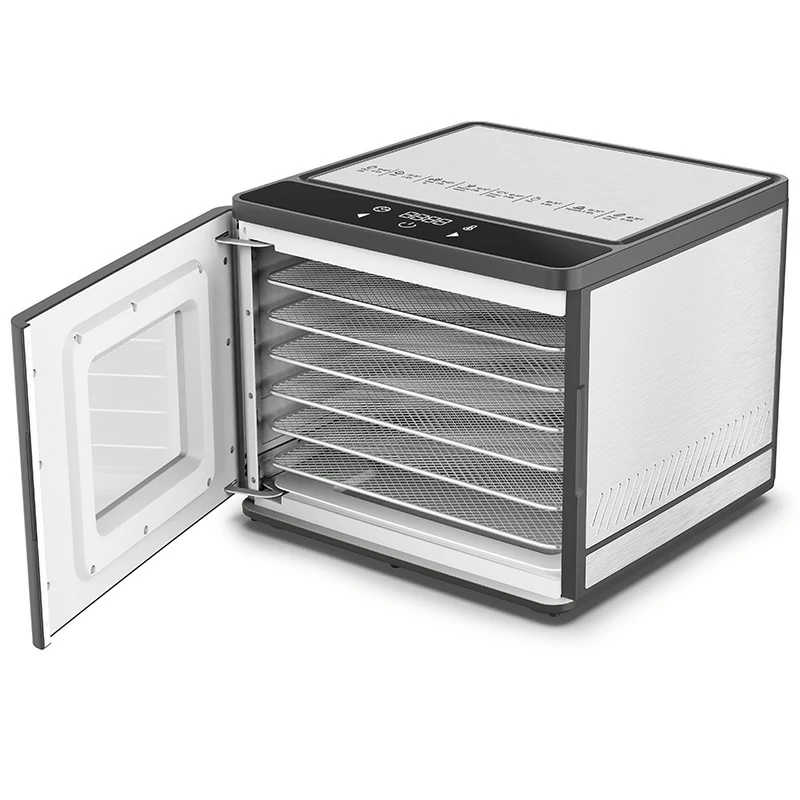
De beste voedsel dehydrator voor jouw specifieke behoeften, moet je kijken naar de technische nuances die speelgoed van gereedschap onderscheiden.
Na jaren van testen van verschillende dehydratatiemachines, zijn er een paar “ongeschreven regels” ontstaan. Ten eerste, “conditioneer” je fruit altijd. Leg het fruit na het drogen een week in een glazen pot en schud dagelijks. Als je condens op het glas ziet, is het nog niet droog genoeg - doe het dan terug in de pot. voedsel dehydrator.
Wees ook niet bang voor de mandoline snijmachine. Uniformiteit is het geheim van succes. Als je plakjes variëren in dikte, zullen sommige chewy zijn terwijl andere verbrand zijn. Met een mandoline zorg je ervoor dat elk stukje in je dehydrator voedsel dehydrator eindigt op precies hetzelfde moment.
Veel beginners worden ongeduldig en zetten de warmtebron op de maximale stand om “dingen te versnellen”. Dit leidt tot een fenomeen dat “case hardening” wordt genoemd. De buitenkant van het voedsel droogt uit tot een hard omhulsel, waardoor vocht binnenin vast komt te zitten. Dit ingesloten water leidt uiteindelijk tot schimmel, zelfs als het voedsel droog aanvoelt.
Daarom is het altijd beter om te drogen bij een lagere temperatuur gedurende een langere tijd. Daarnaast is overbevolking een grote valkuil. Als de bakjes elkaar overlappen, kan de lucht het oppervlak van het voedsel niet bereiken. Laat altijd minstens een halve centimeter ruimte tussen de stukken voor de beste voedsel dehydrator resultaten.
Is een dehydrator voedsel dehydrator de investering waard? Als je naar de rekensom kijkt, is het antwoord een volmondig ja. Denk eens aan de prijs van hoogwaardige beef jerky, die vaak meer dan $30 per pond bedraagt. Je kunt een eersteklas stuk mager rundvlees kopen voor een fractie van die prijs. Bovendien, als bessen in het hoogseizoen zijn en met korting geprijsd, kun je ze bewaren om in de winter te bakken in plaats van later dure, suikerrijke versies te kopen.
Een goed gebouwde voedsel dehydrator kan meer dan een decennium meegaan met basisonderhoud. Door deze lange levensduur zijn de kosten per gebruik na verloop van tijd verwaarloosbaar. De machine betaalt zichzelf dus al binnen het eerste jaar terug als je een actieve tuinier bent of veel inkoopt.
Om uw dehydrator Om het apparaat efficiënt te laten werken, moet je prioriteit geven aan netheid. Suiker van fruit en vet van vlees kunnen op de bodem van het apparaat druppelen. Als deze niet schoongemaakt worden, kunnen ze verbranden of bacteriën bevatten. Veel van de beste voedsel dehydrator De modellen hebben nu een “lekbak” of fruitleerblaadjes om deze lekkages op te vangen.
Zorg er bovendien voor dat de luchtinlaat nooit geblokkeerd is. Stof kan zich ophopen op de ventilatormotor, waardoor deze oververhit raakt. Als je de ventilatieopeningen om de paar maanden even stofzuigt, verleng je de levensduur van je motor aanzienlijk.
Uiteindelijk is het recht dehydrator voedsel dehydrator voor jou hangt af van je volume en je doelen. Als je je richt op gedehydrateerd hondenvoer, Dan heb je misschien een groter roestvrijstalen apparaat nodig dat het gewicht van zwaar vlees aankan. Als je alleen tuinkruiden wilt drogen, volstaat een klein verticaal apparaat.
Welk model je ook kiest, de overstap naar thuis dehydrateren is een stap in de richting van een duurzamere, smaakvollere en gezondere levensstijl. Door de kunst van het voedsel dehydrator, Je bent niet langer overgeleverd aan de versheidsdata van de supermarkt. In plaats daarvan word je de curator van je eigen voorraadkast voor de lange termijn.

In de wereld van vandaag is het belangrijker dan ooit om voedselverspilling tegen te gaan en de versheid van onze boodschappen te maximaliseren. Dit is waar de onmisbare vacuümsealer om de hoek komt kijken. Een vacuümsealer is veel meer dan alleen een nichegadget...
Bekijk details
Ben je het zat om bedorven voedsel weg te gooien? Stel je voor dat je restjes, bulkaankopen of ingrediënten voor een maaltijd binnen enkele seconden zou kunnen sealen - gewoon op je aanrecht. Welkom in het tijdperk van de handheld vacuüm foodsealer, een compacte krachtpatser die de thuiskeuken eve...
Bekijk details
Nieuw jaar, nieuw begin! Nu we dit nieuwe jaar beginnen, ben ik dankbaar voor de kansen die voor ons liggen en de geweldige mensen met wie ik mag werken. Laten we nieuwe uitdagingen aangaan, ambitieuze doelen stellen en van dit jaar ons beste jaar ooit maken! ...
Bekijk details
Met veel plezier kondigen we de lancering van onze gloednieuwe Stomer voor Perfecte Eieren aan! Zeg maar dag tegen te gare of niet gare eieren - met deze gestroomlijnde, gebruiksvriendelijke stomer worden eieren altijd perfect gekookt. Of je ze nu graag zacht...
Bekijk details English English
 Russian
 French
 German
 Spanish
 Italian
 Polish
 Dutch
Dutch Swedish
 Danish
 Finnish
 Norwegian
 Czech
Czech Hungarian
 Romanian