When evaluating freeze dryer vs dehydrator, therefore, OEMs and procurement teams must carefully balance product quality, throughput, and overall cost. In many product lines, food dehydrators deliver fast, cost-effective results; in others, freeze dryers preserve texture and nutrients better. Taken together, these factors mean that this guide explains both paths and, ultimately, helps you identify the best food dehydrator or best dehydrator for jerky for your production needs. Find Food Dehydrator Manufacturer OEM
Freeze Dryer vs Dehydrator — Key Differences
Understanding the technical and commercial differences will steer your purchasing decision.
Process and result: Freeze dryers remove water by sublimation after freezing; dehydrators remove moisture using heated airflow. Therefore, freeze drying better preserves shape, color, and nutrients, while dehydration is simpler and faster.
Cost and throughput: Freeze dryers are capital- and energy-intensive. They typically have lower throughput per cycle and higher unit cost. Conversely, food dehydrators are lower in capex, cheaper to run, and scale more linearly.
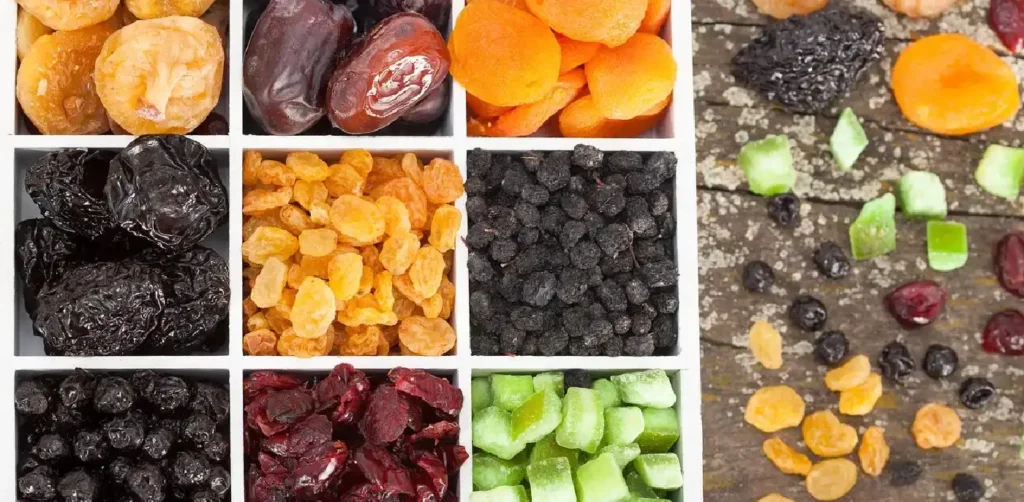
Use cases: Choose freeze drying for delicate items (berries, pharmaceutical ingredients). Choose dehydrators for chips, herbs, and meat snacks where texture from airflow drying is acceptable or desired.
Shelf life and texture: Freeze-dried products often command premium prices and longer shelf life. Dehydrated goods are widely accepted and economical.
For OEMs: assess your target retail price, shelf life needs, and whether the product positioning justifies the extra cost of freeze drying.
What to Look for in Food Dehydrators
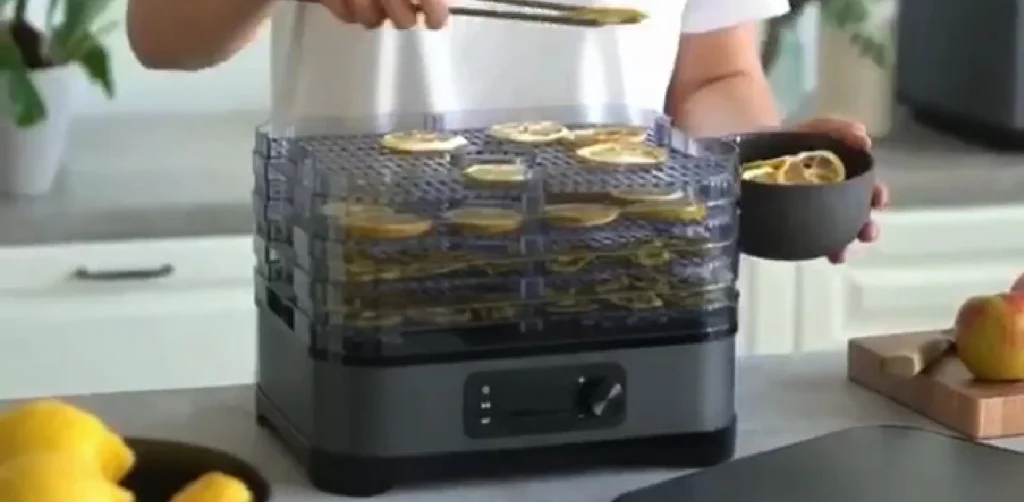
When sourcing food dehydrators, focus on specifications that affect yield, safety, and consistency.
Temperature range & accuracy — essential across product types. For many snacks and jerky, stable 40–70°C control is critical.
Airflow design — horizontal or vertical airflow, forced convection, and fans affect drying uniformity. Select units with adjustable fan speeds.
Tray design & capacity — removable, easy-to-clean trays with consistent spacing promote even drying. Mesh or perforated trays are preferred for jerky.
Construction materials — stainless steel (SUS304) interiors, food-safe coatings, and insulated housings increase durability and hygiene.
Control system — digital timers, PID temperature controllers, and data logging for QA are strong advantages for OEMs.
Energy efficiency — compare watts per kg dried to estimate operating cost. Over time, this outweighs small differences in purchase price.
Certifications — CE, ETL, UL, RoHS, and relevant food-contact approvals depending on target markets. Ensure certifications are specified in the contract.
Maintenance & spare parts — define spare-part lists and lead times in the purchase agreement to minimize downtime.
Choosing the Best Food Dehydrator — Features That Matter
Jerky production has unique demands. The best dehydrator for jerky combines precise temperature control with optimal airflow and food-safe materials.
Temperature precision — jerky requires stable heat to remove moisture while avoiding overcooking. Look for ±1–2°C accuracy and a consistent drying curve.
Airflow and distribution — crossflow or forced convection that keeps slices evenly exposed avoids chewy or under-dried spots. Consider units with baffles or adjustable vents.
Tray perforation and spacing — meat slices need good airflow under and around each piece; mesh trays are ideal.
Hygienic design — stainless steel contact surfaces, rounded corners, and removable seals speed cleaning and reduce contamination risk.
Batch monitoring — integrated humidity or moisture probes enable endpoint detection and reduce guesswork.
Safety and compliance — HACCP readiness, materials traceability, and compliance with local food safety standards are non-negotiable for meat products.
Procurement & OEM/ODM Considerations
For OEMs and ODMs, procurement is about more than price. It’s a combination of contract clarity, verification, and risk mitigation.
Define technical specs clearly — include temperature range, tray sizes, power consumption, noise levels, and tolerance bands.
Samples and validation — require pre-production samples and a small pilot run with product-specific testing. Validate with third-party labs if necessary.
Certs and documentation — ensure the supplier provides test reports, material certificates, and compliance documents before shipment.
MOQ and lead times — negotiate favorable MOQ tiers and production ramp-up timelines. Consider stocking critical spare parts locally.
Warranties and service — include clear warranty terms, response times for repairs, and training for local technicians.
Packaging and logistics — protective packaging for machines, clarity on palletization, and customs paperwork reduce damage and delays.
Tips: always include acceptance tests (FAT/SAT) clauses and sample retention policies in the purchase order. These protect both buyer and supplier.
Conclusion — Quick Decision Checklist
To conclude, use this checklist to decide between freeze drying and dehydration, and to pick the cel mai bun deshidrator de alimentesau best dehydrator for jerky:
Cu toții am trecut prin asta. Cumpărați un pachet de pui pentru familie pentru că este la reducere, dar aveți nevoie doar de doi sâni pentru cină. Înveliți restul în plastic, îl aruncați în congelator și îl găsiți luni mai târziu, acoperit de arsuri albe și înghețate de congelator. Similarl...
Pentru cumpărătorii OEM și ODM, selectarea deshidratorului de alimente potrivit nu se rezumă doar la aspect sau preț unitar. O mașină de deshidratare de încredere trebuie să ofere performanțe stabile, personalizare flexibilă și consistență a aprovizionării pe termen lung.În acest ghid, exp...
Vești interesante! Vă prezentăm cel mai nou produs indispensabil pentru casa dumneavoastră: aburitorul multifuncțional de ultimă generație! Suntem încântați să anunțăm lansarea celei mai noi inovații a noastre – un aburitor elegant, de înaltă performanță, destinat utilizării în familie, conceput pentru a face...
Visezi la înghețată făcută în casă, dar nu ai suficient spațiu și timp în bucătărie? Aparatul de făcut înghețată de la Sunsir este aici pentru a vă revoluționa jocul cu deserturile. Acest aparat de făcut înghețată acasă utilizează o metodă simplă de congelare a bolurilor, care nu necesită congelarea prealabilă a ingredientelor....
 Sunsir - Soluții globale OEM/ODM pentru aparate de bucătărie


 English
 Russian
 French
 German
 Spanish
 Italian
 Polish
 Dutch
Dutch Swedish
 Danish
 Finnish
 Norwegian
 Czech
Czech Hungarian
 Romanian