 Sunsir - Global OEM/ODM Kitchen Appliance Solutions
SEARCH
Search Store
Site Search
Blogs
Many home cooks are discovering that the secret to intense flavors and long-lasting snacks isn’t found in the pantry, but in a specialized appliance. Whether you are a gardener with a surplus of herbs or an outdoor enthusiast craving lightweight snacks, a dehydrator machine is a game-changer. This device simplifies food preservation while locking in vitamins and minerals that store-bought snacks often lose during processing.
Consequently, understanding how a food dehydrator machine functions is the first step toward culinary independence. Instead of relying on preservatives, you can now control every ingredient that goes into your family’s treats. food dehydrator OEM factory
At its core, a dehydration machine uses a combination of heat and controlled airflow to remove moisture from food. This process is crucial because bacteria and mold require moisture to grow. By eliminating water, you effectively extend the shelf life of your food for months or even years.
Specifically, most dehydration machines feature a heating element and a fan. The fan distributes the warm air evenly across trays, ensuring that your apple slices or beef strips dry at the same rate. Without this consistent circulation, you might end up with pieces that are crispy on the outside but dangerously damp in the middle.

When shopping for dehydration machines, you will encounter two primary designs. Each has its own set of advantages depending on your specific needs.
Vertical Airflow Dehydrators: These are usually stackable and round. The fan is typically located at the bottom or top. Because they are modular, you can add more trays as your needs grow. Furthermore, they are often more budget-friendly for beginners.
Horizontal Airflow Dehydrators: Often shaped like a box or a small oven, these units have the fan located at the back. This design is superior for making jerky or drying thick vegetables because the air moves across each tray individually. Consequently, there is no flavor mixing if you are drying different types of food simultaneously.
Before investing in a dehydrator machine, you should evaluate several technical specifications. High-quality results depend on precision, not just heat.

Why should you add another appliance to your counter? Besides the obvious benefit of snacks, a food dehydrator machine promotes a sustainable lifestyle. You can buy produce in bulk when it is in season and cheap, then preserve it for the winter months.
In addition, homemade snacks are significantly healthier. Most commercial dried fruits are loaded with sulfur dioxide and added sugars. By using your own dehydration machine, you ensure that the only ingredient in your dried mango is, quite simply, mango.
Achieving that “store-quality” crunch requires more than just turning on the switch. First, ensure all slices are of uniform thickness. This allows every piece to finish at the same time. Second, do not overcrowd the trays. Air needs space to circulate; if the trays are packed too tightly, the moisture stays trapped.
Moreover, consider pre-treating certain fruits. Dipping apple or banana slices in lemon water prevents browning and adds a nice acidic balance to the sweetness.
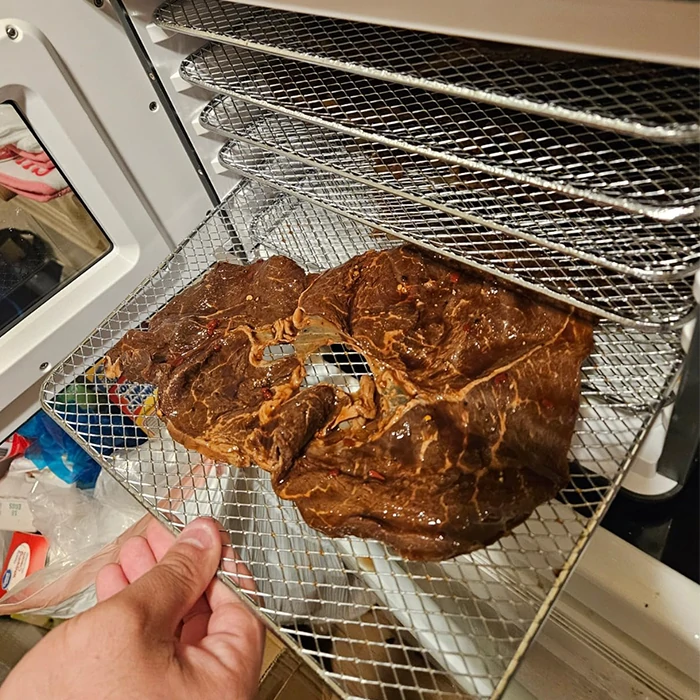

A frequent error made by beginners is “case hardening.” This happens when the temperature is set too high initially. The outside of the food hardens, trapping moisture inside, which eventually leads to spoilage. To avoid this, always follow the recommended temperature charts provided with your dehydration machines.
Furthermore, patience is a virtue. Dehydrating is a slow process, often taking anywhere from 6 to 24 hours. Trying to rush the process usually results in a sub-par texture.
Selecting the right dehydrator machine depends on how often you plan to use it and the volume of food you wish to process. While entry-level models are great for occasional herb drying, a robust, horizontal-flow food dehydrator machine is a worthwhile investment for those serious about food security and healthy snacking.
By choosing a unit with precise controls and ample space, you are not just buying a kitchen tool; you are embracing a healthier, more sustainable way of eating.
Related blog:Freeze Dryer vs Dehydrator

We’ve all been there. You crave a cold, creamy scoop of ice cream. You pull out your traditional ice cream maker — and then you read the instructions: “Freeze the bowl for at least 12 hours before use.”So you wait. Or you give up. But wha...
View details
Do you ever find yourself throwing away freezer-burnt meat, wilted greens, or stale snacks? Traditional food storage often lets us down, allowing air and moisture to creep in, causing spoilage and waste. What if you could easily add days, weeks, ...
View details
You want consistent jerky and longer-lasting fruit, and the best dehydrator delivers both. Specifically, the best dehydrator for food preserves flavor and nutrients while reducing waste. Furthermore, choosing the best dehydrator makes batch dr...
View details
In the world of kitchen gadgets, few tools offer the dramatic preservation power of a Handheld Vacuum Sealer. Imagine extending the shelf life of your leftovers, bulk purchases, and meal prep by weeks or even months. Now, picture doing that not j...
View details